Homemade Noodles Without Eggs

After carefully weighing all types of flour, I began to mix them well together to obtain a uniform composition. The next step was to dissolve the salt in 250 ml of water (about a cup), considering that I used a slightly larger amount of salt than specified in the recipe, to enhance the flavor of the dough. In the middle of the flour mixture, I created a well where I added a tablespoon of oil, gently mixing with a fork to incorporate the oil into the flour. Gradually, I started to add water in the center of the flour, continuing to mix with the fork, being careful to take flour from the edges, thus integrating it into the composition.
As the dough began to form, it took on a ragged, unbound appearance. I gave up the fork and began to knead with my hands, noticing that, depending on humidity, the amount of water needed can vary. If I felt that the dough was not binding well, I added a little water, and if it was too sticky, I added a little semolina flour. It is important that additions are made gradually, one tablespoon at a time, to achieve a soft, elastic, and non-sticky dough.
After the dough was properly kneaded, I wrapped it in plastic wrap and let it rest. The recipe recommended half an hour, but I let the dough rest for about four hours, as I had other activities to finish. After this resting period, I moved on to using the noodle cutting machine. I cut pieces of dough the size of an egg, rolling them in flour to prevent sticking. Then, I passed each piece through the machine's rollers, setting the distance to number 3, which is the largest.
I passed the dough through the rollers several times, obtaining a thick sheet that I folded into thirds. Then, I repeated this process twice, increasing the distance between the rollers to number 2. After obtaining a thinner sheet, I set the machine to number 1, the thinnest, and passed the dough through again, making it long and elastic.
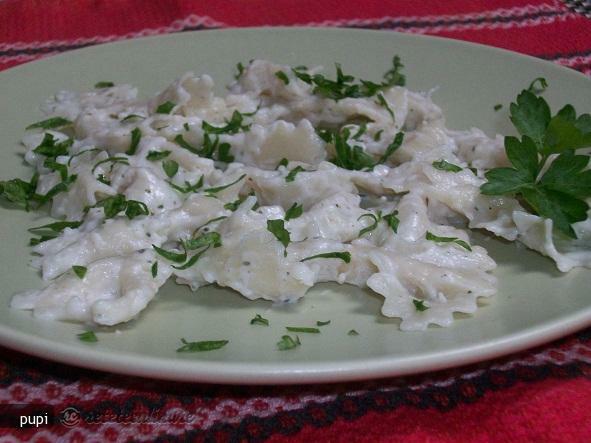
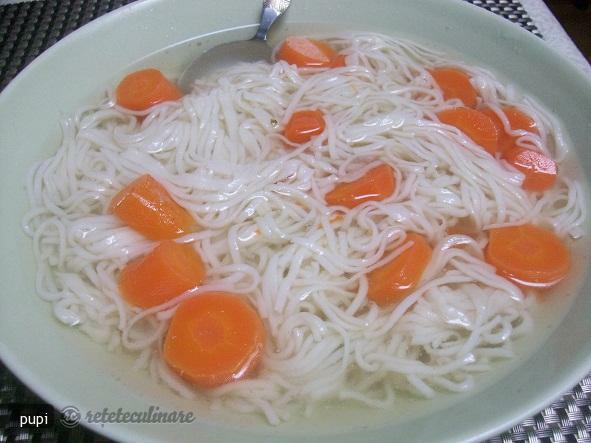
After achieving this fine sheet, I passed it through the cutting rollers to create very fine and long noodles. If you want to keep them long, you can hang them on hangers or lay them on a clean tablecloth, sprinkling them with a little flour to prevent sticking. From another batch of dough, I created sheets that I cut with a kitchen cutter, forming rectangles that I pinched between my thumb and index finger to obtain the Italian pasta farfalle.
This recipe has been adapted by me, considering that the original recipe used soy flour, and I opted for rye flour after several tests with different types of flour. The quantities were adjusted to achieve a perfect texture and exquisite taste. Enjoy your meal and happy cooking!
Ingredients: 2 1/4 cups (or 375 g) unbleached flour, 1 cup (or 175 g) semolina flour, 3/4 cup (or 75 g) rye flour, 2 teaspoons of egg replacer, 1 tablespoon olive oil, 1 teaspoon salt, enough water (about 350 ml for me)
Tags: eggs flour oil olives vegetarian recipes recipes for children