Conserved Grape Leaves for Winter

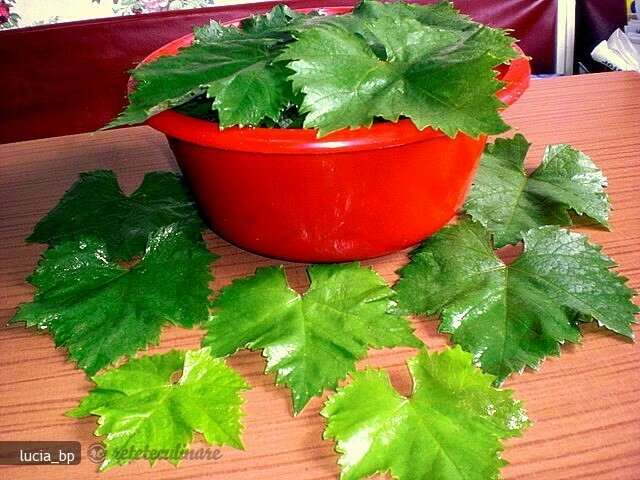
Harvesting grape leaves is an activity that combines nature with culinary traditions, and the optimal period for gathering them is between June and July, when they are tender and full of flavor. Choose leaves that are young, with a delicate texture and a deep green color, avoiding the older ones, which can be tougher and more bitter. After harvesting the leaves, it is essential to wash them very well to remove any impurities or insects. Rinse them in several waters, ensuring they are clean.
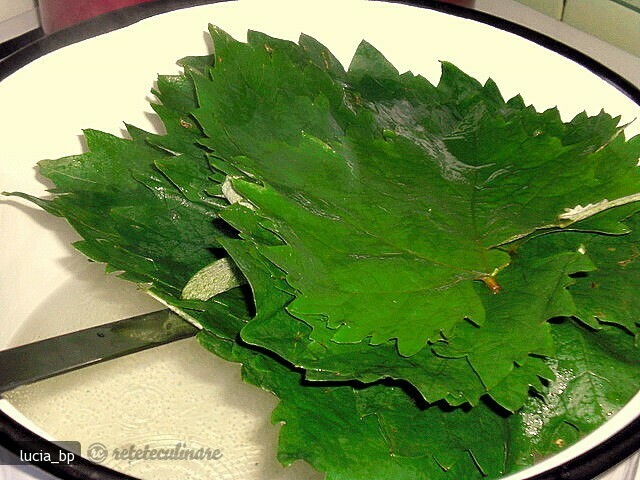
In a large pot, bring water to a boil, adding a teaspoon of salt, which will help preserve the color and taste of the leaves. When the water reaches the boiling point, carefully introduce a few grape leaves at a time. It is important not to overcrowd the pot, to allow the water to circulate freely around the leaves. Let them infuse for a few minutes, observing how their color changes from deep green to a lighter yellowish, indicating that they are ready to be removed.
Use a slotted spoon or spatula to take the leaves out of the water, being careful not to tear them. Place them in a colander to drain excess water. It is recommended to let them cool completely before packing them. Once cooled, portion the leaves into freezer bags, making sure to remove the air inside to prevent ice crystals from forming. Label each bag with the date and contents, so you know exactly what you have in the freezer.
Frozen grape leaves can be successfully stored for 6 to 12 months, giving you the opportunity to use them in various dishes, such as stuffed cabbage or other traditional recipes. Freezing is an excellent preservation method that allows you to enjoy the flavors of summer even in the cold season. No matter how you choose to prepare them, grape leaves will add a special touch to your dishes, transforming them into true culinary delights.
Ingredients: vine leaves
Tags: meat life gluten-free recipes lactose-free recipes vegetarian recipes fat-free recipes